Parents Are The First Teachers And Why They Matter To Kids

Quick Takeaways:
- Children look up to what their parents do in the everyday-from how they greet a neighbor to how they treat one another.
- Parents teach their children everything through modeling the behavior, values, even activities they deem important.
- Through a process of open play and discovery, children absorb math, language, and social skills.
- Daily interactions help children learn about what it feels like to have emotions and build their sense of awareness. Healthy technology boundaries taught early can create conditions that enable kids to make responsible technology choices.
- And a steady routine? That’s what makes home feel safe and supportive.
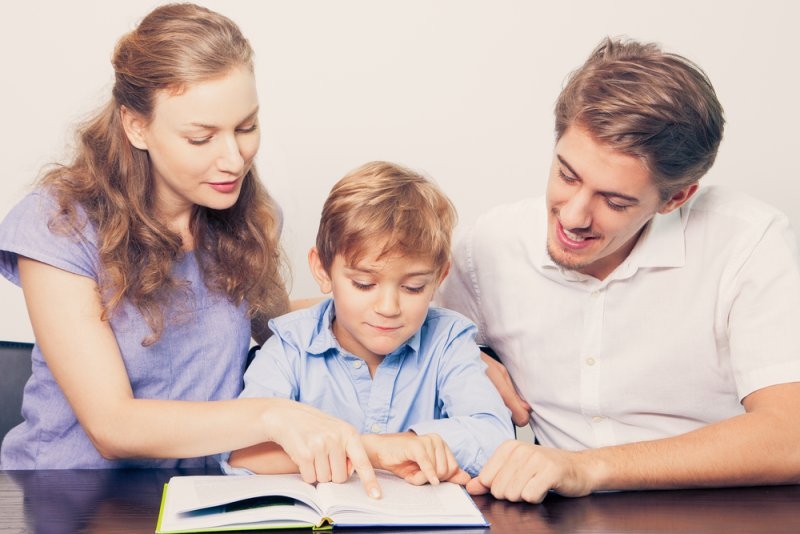
When a child is born, parents become the first teacher. Although they are not professionally trained, they become the most significant coach of a child, and hence, it is said that parents are the first teachers. Until a certain age, parents are the only ones the child will look up to and learn the basic foundation of life.
Multiple studies have been conducted around this subject; it has proved that no amount of formal education can match parents’ impact on their offspring. They teach what life is all about and assist in solving all the problems. Parents are role models for their children and shape their child’s life.
To know more about the importance of the phrase “parents are the first teachers” and the tips to be a good one, read this article. Here we will talk about the significance of parents serving as first teachers and how you may give your child a head start in life. Being a child’s first teacher is a big responsibility and should be fulfilled the right way for a better future for the child.
Importance of Parents as the First Teachers
Parents play a foundational role in shaping a child's values, confidence, and lifelong learning habits long before formal education begins.
Influences The Child’s Life
Parents are the first source of motivation in life, and they teach their children a lot of things. They are, generally, the first role models and undergo a lot of sacrifices for the sake of their child’s happiness.
After birth, a child pays attention to every single detail and learns from it. They observe their parents’ actions and build themselves accordingly.
This is why it is said that parents are the first teachers and influence the child’s life, from making them learn to talk to making big decisions. A child can grasp everything that their parents do in front of them, and hence, they can implement it in their life.
Assists In Developing Safe And Trusting Relationships
A good foundation for a child helps build trust and willingness to learn. Along with this, it assists in giving a healthy sense of self-awareness and care for others.
Parents are the first teachers who support exploring the world and developing safe and trusting attachments. They provide them a sense of love, assurance, and safety, and encourage them to socialize and make healthy connections.
It all depends on the parents to make their child learn to be kind, helpful, supportive, as well as careful.
Helps In The Development Of Social Skills
Apart from influencing and helping form secure relationships, parents, as the first teachers, aid in the development of social skills.
Just as in a classroom, children learn by imitation and by involving peers in social situations. They look up to their parents and learn the skills from them, whether it’s the personality or behavior of parents.
It plays a crucial role in making their child learn social manners and how to behave in the real world.
Teaches Values and Morals
Morals and values are an integral part of life. They make a person behave or live their life in a certain way. And for learning these values, parents are the best teachers.
Respect, kindness, honesty, courage, persistence, self-discipline, compassion, and many more qualities are instilled in children at home.
They grow up seeing their parents working and taking care of others, doing certain tasks and what they avoid, and more. By inculcating good values in a child, parents can protect them from bad societal influences and lay a foundation for understanding what is right and wrong.
Develops the Skill of Literacy
There is a long list of responsibilities that parents have towards their children; however, the one that takes the top spot is ‘education.’ Literacy holds great importance in the overall development of a child.
From the moment of birth, talking to the child has a significant influence in helping them exchange words. It assists in language development and encourages the child’s interest and positive experience.
Parents are the first teachers, and hence, they should provide their child the right skills so that they can become good readers and confident communicators.
Establishes Emotional Awareness
A child learns to comprehend and express their feelings through their parents. As babies, they look to their parents for emotional help whenever they are in pain or feel stressed.
Later, as they grow older, they start to handle their emotions the way they were treated as kids. They consider their emotional role models in every circumstance, when they are happy, sad, or have to respond to any situation.
Try a Daily 2-Minute Emotional Check-In: Ask your child to pick a color or emotion word representing how they feel during dinner or before bedtime. Modeling mindfulness through simple breathing exercises helps them navigate big emotions effectively.
Also Read: Parents' Role In Balancing Academics and Extracurriculars
Tips For Parents To Be The Best First Educator To Their Child
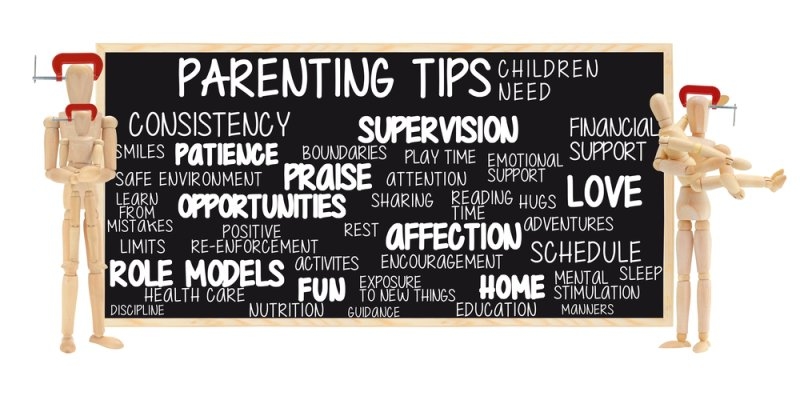
Setting a good example for the children is an excellent approach to offer a good life to them. There are many things that a parent can do to be a role model for their child. Since children learn what they see, parents need to be mindful of their actions.
Here are some tips that will assist them in being a good educator.
- Parents should give respect and treat their friends, family, neighbors, and every other person around them with kindness so that the child will learn the same.
- Communication is very important, and one should avoid language to harm, criticizes, or quarrels with others. Instead of using cruel or disrespectful words in front of a child, parents should be polite.
- Parents are the first teachers, and hence, they should manage their anger when their child is around them. It is vital to take a deep breath and talk about the problem rather than shouting or showing anger.
- In today’s scenario, children are more inclined towards junk food and unhealthy lifestyle habits. Parents should persuade them to consume healthy food, decrease screen time, plan outdoor activities, and more.
- Model healthy device habits by creating tech-free zones during meals. Preview media content with kids and discuss how digital technology works so they know how to use it. Use teachable moments that already happen throughout the day.
- For example, teach math skills by counting cooking ingredients with your child when they are baking or identifying blocks of different colors while they are playing.
Don’t Miss: Test Anxiety in Kids: Signs and How Parents Can Help?
Final Thoughts
Since parents have so much influence on a toddler’s life, it becomes important for them to set a good example by teaching them the right things. The early years of life are considered the most significant as they help establish a sense of security, confidence in learning, social awareness, and more.
They learn each day from the start- by words and examples from the people they are surrounded by. This is why parents are the first teachers and the most important ones. The right learning will help develop skills that will take them further in their lives.
Frequently Asked Questions
What role should parents play once their child transitions into formal schooling?
When kids start school, the parent’s role shifts a bit. Instead of leading everything, parents should work alongside teachers. Engage-talk to the teacher, motivate for homework, and ensure learning continues outside of school. This will provide a sense of consistency in their lives, where school and home co-operate instead of working independently.
How can parents avoid burnout while acting as their child's main early educator?
Let’s be honest—acting as your child’s main educator is a lot. Parents can avoid burnout by setting limits, sharing the load with partners or family, and making room for self-care—without guilt. It’s not about delivering big, formal lessons every day. The little, everyday moments matter way more than most parents realize.
What are the signs that a child might need professional educational support beyond parent instruction?
Sometimes, though, kids need more than parents can give at home. If you notice ongoing speech delays, big trouble with basic motor skills, or meltdowns around simple learning, don’t just tough it out. That’s when it’s smart to talk to a pediatrician or early learning specialist. They can help figure out what will actually help your child move forward.
How can working parents maximize their impact as first teachers with limited time?
A lot of parents work and worry they don’t have enough time to teach their kids. But even small windows matter—read together for 15 minutes before bed, chat about the world while walking to the store. Genuine engagement, even for short bursts, does far more than trying to squeeze in long lessons when everyone’s tired.
How should parents introduce digital literacy and AI tools to young children?
Screens are an invitation to be involved. Look for kid-friendly, educational apps or online resources your kids can use and interact with, set clear screen rules, and allow for opportunities of doing and build with their technology instead of simply spectating. That is how children are prepared for a healthy, productive digital existence.
This content was created by AI